
Waifus Next Door
Wildfire InteractiveSimulation
4.460.00 Reviews
- Version
- 1.3.0717
- Installs
- 50.00K
- Age Rating
- Everyone 10+
Screenshots






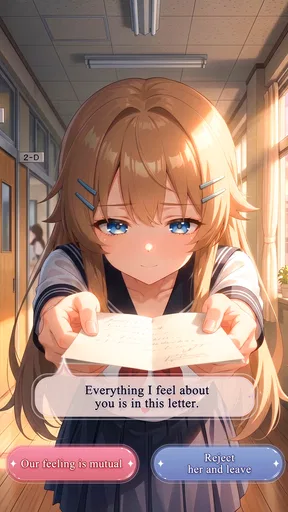

Our Review of Waifus Next Door
 Analysis by Appyee
I went into Waifus Next Door expecting a light anime-themed simulation, and that is exactly the lane it occupies: a free game about settling into a romantic city-life setting where the appeal comes from the characters, the atmosphere, and the feeling of spending time in a familiar neighborhood. It is published by Wildfire Interactive and sits in the simulation category, but its tone is much more character-focused than a traditional building or management simulator.
The important question is not whether it has the biggest systems or the deepest strategy. It is whether you want a relaxed, anime-styled experience built around charming neighbors and gradual interaction. I found it easiest to enjoy when I treated it as a short daily escape rather than a game demanding long, uninterrupted sessions. That distinction matters, because players looking for competitive play, complex resource planning, or a large open-world adventure may be happier elsewhere.
The game is free to start, carries an Everyone 10+ rating, and runs on Android devices using version 8.0 or later. Its current version is 1.3.0717. The audience response is encouraging, with a 4.4 average from around 494 ratings and more than 50K installs. Those figures suggest a modest but interested community rather than a massive mainstream hit, which fits the personal, small-scale feeling of the experience.
What to consider before moving in
Before settling into this kind of character-led simulation, I’d decide what I want from a regular check-in: a little anime atmosphere, or a game with systems that keep expanding. That distinction makes it easier to judge whether its narrower neighborhood focus can hold my attention beyond the initial novelty. I’d also keep an eye on how the free-to-play model fits my routine, which leads naturally to the question of lasting value.
The real appeal is the neighborhood mood
The store presentation points toward romantic anime city life, and I think that is the most useful way to understand the game. The setting is not just decoration around a conventional simulation loop. The neighboring characters are the reason to return, and the “waifus next door” concept gives the game a clear identity from the start.
I would recommend judging it by three things: how much you enjoy anime character interactions, whether you like checking in regularly, and how comfortable you are with a free-to-play structure. If all three sound appealing, the game has a reasonable chance of becoming a pleasant routine. If you need a fully self-contained premium game, the pricing model may affect your enjoyment more than the visual style does.
My first practical tip is to decide what kind of player you are before spending anything. If you mainly want to sample the cast and see whether the daily rhythm suits you, play for several sessions without buying an item. That gives you a better sense of the pacing than an immediate purchase would. In a character-led game, liking the presentation is not always the same as liking the repeated interaction loop.
Short sessions work better than forced marathons
This is the sort of title I would open during a commute, after dinner, or while taking a short break. A realistic routine might be checking in before work, handling whatever interaction or progression is available, and returning later when you have more time. That approach keeps the romantic city-life theme relaxing instead of turning it into another obligation.
Trying to squeeze every possible activity into one long sitting can make a gentle simulation feel slower than it really is. I found that the game’s charm is easier to notice when I leave some space between visits. The neighborhood concept benefits from anticipation: you are returning to see what is available rather than clearing an enormous checklist in one session.
That also gives the game a useful role for players who want something softer than a competitive mobile title. There is no need to compare your progress with friends in order to appreciate the character premise. For me, that made it a better fit for quiet downtime than for moments when I wanted pressure, speed, or a demanding tactical challenge.
How the free-to-play model changes the decision
Although the game is free, optional purchases range from $0.99 to $29.99 per item. That spread is wide enough to make patience an important part of the experience. I would not assume that paying automatically improves the game; the value depends on whether a purchase removes a frustration you genuinely have or simply encourages you to progress faster.
A sensible workflow is to play normally first, note which parts feel enjoyable, and only then consider an in-app purchase. For example, if you like the character-focused loop but dislike waiting, you can decide whether faster progress is worth paying for. If the interactions themselves are not holding your attention, spending more will not solve the underlying problem.
The trade-off is especially relevant for younger players. The age rating is Everyone 10+, but purchases still deserve attention on a shared device. I would use the game’s free starting point to establish whether it belongs in your regular rotation before allowing any spending. That is more useful than judging the title solely by its anime presentation.
What feels distinctive here
The clearest strength is focus. Many simulation games ask you to manage a town, farm, restaurant, household, or collection of resources. This one presents itself around the people living nearby and the fantasy of a romantic anime neighborhood. That narrower focus can feel more inviting than a broad management game when you want a personal connection rather than a spreadsheet of tasks.
I also like that the premise is immediately understandable. You do not need to learn a complicated fictional history before knowing what kind of mood the game is aiming for. The city setting, the nearby characters, and the romantic framing establish the purpose quickly. That makes it approachable for someone who normally avoids dense simulation interfaces.
A less obvious advantage is that the concept gives you a clear filter for deciding how much time to invest. You are not required to enjoy every part of simulation games. If your favorite element is character discovery and casual relationship-building, you can focus your attention there. If you want construction optimization or economic planning, the same narrowness becomes a limitation.
Where the usual alternatives may fit better
Compared with a traditional city-building simulator, this game is likely to appeal more to someone who values atmosphere and character presence than to someone who wants to design efficient districts. A city builder usually rewards long-term planning, layout decisions, and visible expansion. Here, the neighborhood fantasy is the starting point, so players seeking a management puzzle should look toward that alternative category instead.
It also occupies a different space from a farming simulation. Farming games often provide a predictable loop of planting, harvesting, crafting, and upgrading. If you enjoy turning a neglected plot into a carefully organized routine, a farming-focused title may offer more satisfying structure. Waifus Next Door makes more sense when the emotional and anime presentation matters more than production chains.
Romance visual novels are another useful comparison. A visual novel generally emphasizes reading, branching choices, and a more directed story. This game’s simulation label suggests a broader everyday-life framing rather than a single linear route. If you want a carefully paced narrative with concentrated dialogue, a visual novel may be the better choice. If you prefer returning to a setting and interacting over time, this title has the more suitable premise.
Finally, players who want action should probably skip it. The appeal here is not reflex-based combat or competitive matchmaking. Choosing this game because the word “city” sounds like an open-world promise would be a mistake. I would pick it for the anime neighborhood fantasy, not for exploration on the scale of a console-style adventure.
Small habits that make the experience smoother
My first recommendation is to keep your early play deliberate. Rather than tapping through every available interaction as quickly as possible, pay attention to which characters and situations actually hold your interest. That helps you identify your preferred route through the game and prevents the whole experience from becoming a routine of pressing through menus.
Second, treat purchases as convenience decisions, not as a requirement for understanding the game. The free entry point is valuable because it lets you test the tone. If you enjoy the cast but find the pace too restrictive, a small purchase may be easier to justify than a large one. I would avoid jumping straight to the highest-priced option simply because it promises more immediate progress.
Third, use the game as a scheduled check-in rather than an all-day distraction. A short visit in the morning and another later can preserve the sense of an ongoing neighborhood. This is a better fit for the premise than repeatedly reopening the app without a clear reason. It also makes the game easier to balance with work, study, or other entertainment.
Fourth, consider your device age before installing. Android 8.0 is the minimum operating system, so older phones may not be suitable even if they still handle simpler games. On a compatible device, I would still leave enough storage and keep the system updated before judging performance, because a poor first session caused by an outdated phone can unfairly color your opinion.
Who should play, and who should pass
I can recommend it to anime fans who want a casual simulation with a romantic neighborhood premise, especially those who enjoy returning to the same characters over multiple short sessions. It is also a reasonable choice for someone who wants a free game that feels more personal than a generic idle product. The accessible concept makes it easy to try without committing money immediately.
I would be more cautious if you dislike relationship-focused gameplay or find character-collection themes repetitive. The central premise is not a minor decoration that you can ignore while focusing on another system. If the nearby characters do not interest you, the game loses much of its reason to exist.
I would also steer strategy enthusiasts toward a deeper management simulator. Someone who wants complicated production, detailed construction, or a competitive ladder will probably feel under-served here. Likewise, players who prefer a complete premium experience with no purchase prompts should think carefully before settling in, because the free-to-play design is part of the decision.
What switching away would cost you
The main cost of choosing another category is not money; it is the loss of this particular mood. A city builder may give you more control, a farming game may provide a stronger routine, and a visual novel may deliver a more concentrated story. None of those alternatives necessarily replace the simple pleasure of an anime neighbor-focused setting.
On the other hand, staying with this game means accepting a narrower range of activity. If you eventually want more strategic depth, you may find yourself using it as a side game rather than your main simulation. That is not a flaw for everyone. In my view, it works best when paired with a more demanding title, because it can provide a quieter change of pace instead of trying to satisfy every gaming preference at once.
The switching decision is therefore straightforward. Keep it if the characters and relaxed city-life feeling are what bring you back. Move on if you are repeatedly waiting for a management layer, a large story, or action that the premise does not promise. No amount of familiarity will make the wrong category feel right.
My recommendation after spending time with it
Waifus Next Door is worth trying when you want a free, anime-styled simulation centered on romantic neighborhood life rather than competition or complex construction. Wildfire Interactive has chosen a focused concept, and that focus is both the game’s strongest identity and its biggest boundary.
I would install it for the character atmosphere, play in short sessions, and delay purchases until the daily rhythm proves enjoyable. The free price makes that trial easy, while the optional item range means careful spending is sensible. The Everyone 10+ rating also makes it approachable for a broad audience, though shared devices should still be handled thoughtfully when purchases are available.
My final view is positive but specific: this is not the universal answer for simulation fans. It is a better recommendation for someone who wants a gentle anime city-life companion than for someone searching for a serious management sandbox. If that distinction matches what you are looking for, this focused character-driven loop is the reason to stay, and the game earns a place on your shortlist.
For me, the best way to approach it is as a small daily retreat. Give it enough time to show whether the neighbors and atmosphere become meaningful, keep your spending intentional, and compare it honestly with the kind of simulation you usually enjoy. Under those conditions, it delivers a clear and appealing experience instead of pretending to be something larger than it is.
Verdict
Strengths of Waifus Next Door
- Quick, casual gameplay suited to short sessions.
- Colorful anime-inspired visuals appeal to fans of the genre.
- Simple controls make it easy for new players to start.
- Character interactions add personality beyond basic gameplay.
- Progression gives players reasons to return regularly.
Limitations of Waifus Next Door
- May rely heavily on repetitive tasks after extended play.
- Some content can feel designed around frequent check-ins.
- Anime-style presentation may not suit every player.
- Limited variety could reduce long-term appeal for some users.
- Performance may vary on older or less powerful devices.
Similar Picks in This Category
View All
Truckers of Europe 3
Wanda Software4.3

Town Building Life Simulator
XGame Global4.2

Fidget Toys Trading・Pop It 3D
Freeplay Inc4.7

Sculpt People
CrazyLabs LTD4.4

Scary Teacher 3D
Z & K Games4.2

Hair Tattoo: Barber Shop Game
CASUAL AZUR GAMES4.3
Frequently Asked Questions
What is Waifus Next Door?
Waifus Next Door is a character-focused mobile game built around meeting, interacting with, and getting to know a cast of anime-inspired characters. Its main appeal comes from conversational scenes, relationship progression, and story-driven encounters rather than traditional action gameplay. Before downloading, players should understand that the experience is primarily designed for fans of visual-novel, dating-simulation, and casual character-collection games.
How does the gameplay and relationship system work?
Gameplay generally revolves around choosing dialogue responses, completing interactions, and making decisions that influence how characters respond to you. Progress may unlock additional conversations, scenes, or relationship content as you spend time with different characters. The choices are intended to make the experience feel personal, although players should not expect a highly complex role-playing system. The focus is on casual progression and discovering character personalities.
Is Waifus Next Door free to download and play?
The game may be available as a free download, but users should check the current Google Play Store or App Store listing for the exact pricing model in their region. Free access can sometimes include advertisements, optional purchases, premium dialogue, energy systems, or other progression-related limitations. Reviewing the in-app purchase information before starting is recommended, especially if the game is intended for younger players or shared devices.
Does Waifus Next Door require an internet connection?
An internet connection may be needed for downloading additional content, synchronizing progress, displaying advertisements, validating purchases, or accessing certain features. Some basic sections might work offline, but players should not assume that the entire game is available without connectivity. If you plan to play while traveling or using mobile data, check the store description and test the game after installation to see which functions remain accessible offline.
Is Waifus Next Door suitable for all ages?
The appropriate age rating should be checked on the official app-store page before downloading, because character-focused dating or anime-style games can include romantic themes, suggestive dialogue, mature humor, or advertising that is not suitable for children. Parents should also review privacy permissions and purchase settings. Even when the artwork appears casual, the story content and interaction system may be intended for teenagers or adults rather than young users.
Play our best games!


